
An Endodontist Explains: Can Root Canal Treatment Wait?
One of the most common questions patients ask is:
“Can my root canal wait?”
The answer depends on what is happening inside the tooth.
Not every tooth that requires root canal treatment needs to be treated the same day. However, when the pulp—the soft tissue inside the tooth containing nerves and blood vessels—has become permanently damaged, delaying treatment may allow the condition to progress.
One of the most important aspects of endodontics is making an accurate diagnosis. An endodontist does not determine treatment based on pain alone. Instead, treatment recommendations are based on a focused specialty evaluation of your symptoms, clinical findings, diagnostic testing, and imaging.
Why Is Root Canal Treatment Recommended?
Root canal treatment is recommended when the pulp can no longer recover from injury or inflammation. This may occur because of:
- Deep decay
- A cracked tooth
- Dental trauma
- Large restorations
- Repeated dental procedures
When the pulp has been permanently damaged, root canal treatment removes the affected tissue, disinfects the root canal system, and seals the tooth to help preserve its long-term function.
Does More Pain Mean a More Serious Problem?
Not always.
Many patients assume that the most painful tooth is the one in the greatest danger. Surprisingly, that is not always true.
Some teeth with severe inflammation cause intense, spontaneous pain, while others become less painful as the nerve inside the tooth loses its vitality. Although the symptoms may improve, the underlying condition of the tooth may not.
This is one reason an endodontist relies on diagnostic testing—not pain alone—to determine whether root canal treatment is recommended.
What Happens If I Delay Treatment?
Every tooth responds differently. Some conditions remain relatively stable for a period of time, while others may progress more quickly.
Depending on the diagnosis, delaying treatment may result in:
- Increasing tooth pain
- Pain that becomes spontaneous or interrupts sleep
- Swelling of the gums or face
- Development of a dental abscess
- Progressive bone loss around the root of the tooth
Because it is impossible to predict exactly how quickly a tooth will change, following your endodontist’s recommendation is the best way to help preserve your natural tooth.
My Tooth Stopped Hurting. Does That Mean It Has Healed?
Not necessarily.
This is one of the most common misconceptions about tooth pain.
As the condition inside the tooth changes, the nerve may lose its vitality. When this happens, the pain may decrease or even disappear. However, this does not necessarily mean the tooth has healed.
An endodontist evaluates the health of the tooth—not simply whether it hurts on the day of your appointment.
Can Antibiotics Replace Root Canal Treatment?
No.
Antibiotics are not a substitute for root canal treatment. In selected clinical situations, they may be prescribed to help reduce symptoms or as an adjunct to treatment, but they do not remove the source of the problem from inside the tooth.
If the pulp has been permanently damaged, definitive endodontic treatment is needed to address the source and preserve the tooth whenever possible.
What If I Have an Upcoming Vacation or Important Event?
Many patients ask whether they should postpone treatment until after a vacation, business trip, wedding, or other important event.
The answer depends on your diagnosis. Some teeth can be monitored for a short period of time, while others have a greater risk of becoming significantly more painful or developing swelling without warning.
If you have upcoming travel or an important event, discuss it with your endodontist. An accurate diagnosis allows you to make an informed decision about the timing of treatment.
Why an Accurate Diagnosis Matters
Not every toothache requires a root canal. Cracked teeth, periodontal disease, sinus-related pain, bite-related discomfort, and other conditions can produce symptoms similar to those of an inflamed or infected pulp.
At Laguna Niguel Endodontics, every patient receives a specialty endodontic consultation focused on the referred tooth and surrounding area. Our evaluation includes:
- A detailed clinical examination
- Pulp vitality testing
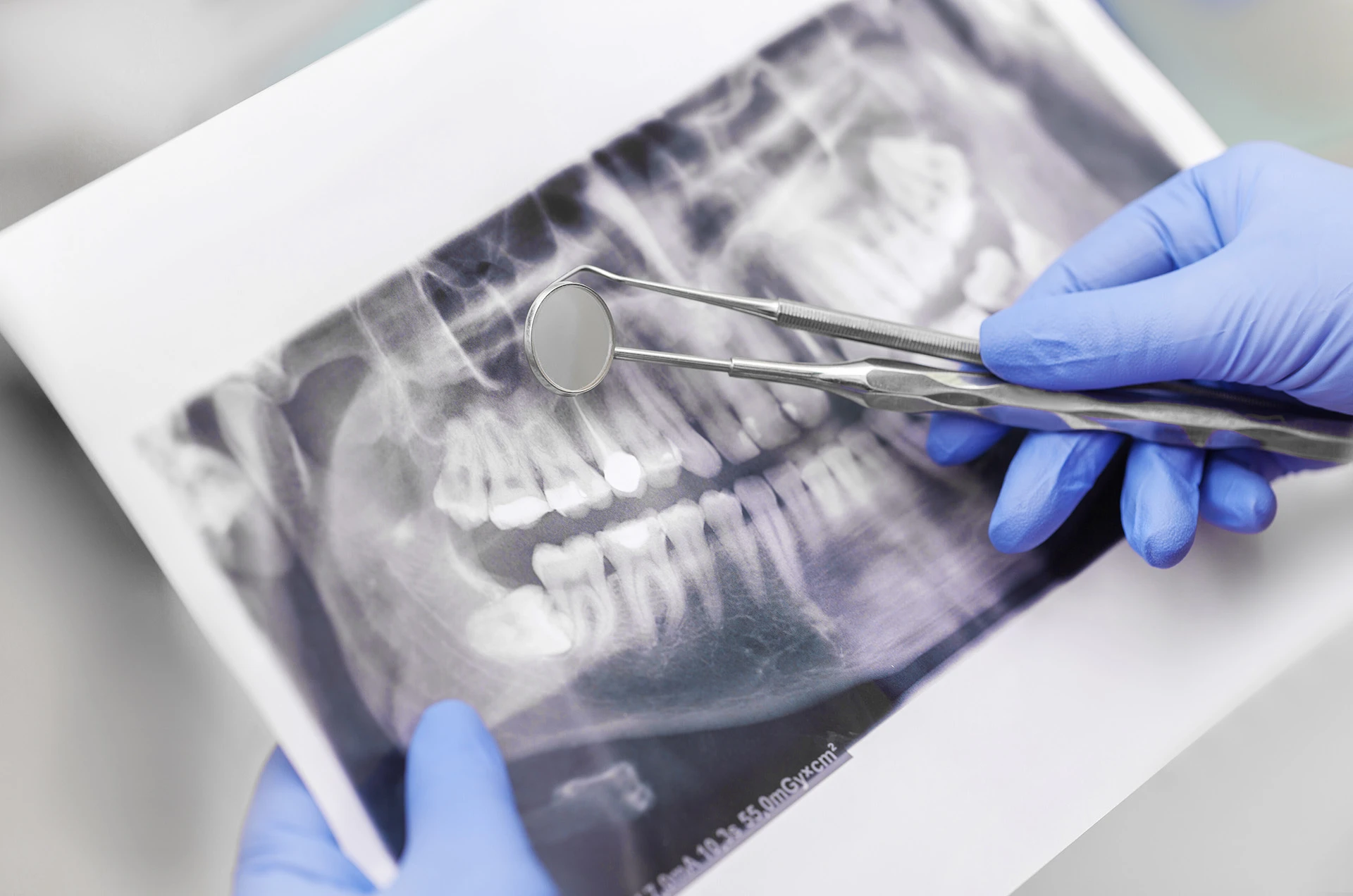
- Digital radiographs
- Cone Beam Computed Tomography (CBCT)
These diagnostic tools allow us to accurately identify the source of your symptoms, establish an accurate diagnosis, and recommend the treatment that is most appropriate for your individual condition.
The Bottom Line
Whether root canal treatment can wait depends on the diagnosis—not simply the amount of pain you are experiencing.
An accurate diagnosis allows treatment to be performed at the appropriate time, helping relieve discomfort while preserving your natural tooth whenever possible.
If you have been told you may need a root canal or are experiencing persistent tooth pain, an evaluation by an endodontist can provide clarity, answer your questions, and help you make an informed decision about your care.
Schedule an Evaluation
At Laguna Niguel Endodontics, we are committed to providing compassionate, evidence-based endodontic care focused on one goal: preserving your natural teeth whenever possible.
If you have questions about root canal treatment or have been referred for an endodontic evaluation, we welcome the opportunity to help you understand your diagnosis and treatment options. Please call us at (949)415-3636.
Recent Blog Posts

Sedation for Root Canals in Laguna Niguel
An Endodontist Explains: Can Root Canal Treatment Wait?

7 Signs You May Need Root Canal Treatment
.avif)